Kayla | Designer – Hiking Specialist
Meet Kayla, the photographer and hiking enthusiast at Wild Peaks who just returned from trekking through the wild, windswept valleys of Chilean Patagonia. Dive into her honest blend of Torres del Paine field notes, real-time trail diaries, and practical hiking advice.

Planning to hike Torres del Paine without booking a tent or park refuge? Basing yourself in Puerto Natales and taking daily buses into the Torres del Paine National Park has become an alternative for those that haven’t booked the famous W Trek months in advance yet still want to visit the famous Chilean Patagonia.
Doing back-to-back Torres del Paine day trip hikes with zero rest days means enduring 4+ hours on a bus daily, trekking through various weather and watching the clock to make sure you don’t miss your bus.
Here is my raw, real account of what those days were actually like alongside the harsh truth about weather setbacks, taking a rest day, and practical logistics for your own adventure.
Reality of Day Hikes to Torres del Paine
Choosing to go day hiking torres del paine from a puerto natales base camp means signing up for a brutal daily grind. Every morning starts at the Rodoviario bus terminal before dawn. Coaches pull out between 6:45 AM and 7:15 AM, winding through two to two-and-a-half hours of Patagonian steppe before reaching the park gates, plus longer if you want to travel to the later stops, or you have to take a shuttle. You hike all day under a ticking clock, then board a return bus around 6:00 PM or 7:00 PM, finally crawling back into town near 9:00 PM.
That is upwards of four hours on a bus every single day. Multiply that over three or four days without a break, and the tiredness gets real.
When learning what to expect when hiking in Patagonia, the biggest surprise isn’t trail elevation, it’s your strict schedule and weather dependencies. Since you have to book your bus tickets in advance, you cannot decide on the day that you’ll leave early, which can be an issue that can leave you stranded on low altitude trails making your carefully planned itinerary dissolve.
 Select options
This product has multiple variants. The options may be chosen on the product page
Select options
This product has multiple variants. The options may be chosen on the product page
 Select options
This product has multiple variants. The options may be chosen on the product page
Select options
This product has multiple variants. The options may be chosen on the product page

 Select options
This product has multiple variants. The options may be chosen on the product page
Select options
This product has multiple variants. The options may be chosen on the product page
- Select options This product has multiple variants. The options may be chosen on the product page
- Select options This product has multiple variants. The options may be chosen on the product page
- Select options This product has multiple variants. The options may be chosen on the product page
Navigating the Public Bus Stops Independently
Taking a bus from Puerto Natales is easy, make sure though that your hotel or accommodation is close to the bus station, as the last thing you’ll want is additional 30 minutes to walk to the bus station every day. The buses depart daily from the Terminal Rodoviario in Puerto Natales between 6:45 AM and 7:15 AM. The 2 to 2.5-hour route enters the park along a main road that acts as an easy access for self guided hikers.
You don’t need a tour guide to do this you just need to know which bus stop coordinates with which trailhead, and keep a strict eye on your return bus departure time.
Stop 1: Laguna Amarga
If you take a shuttle to Hotel Las Torres you’ll get to the Las Torres trailhead.
Stop 2: Pudeto
This is a stop for Salto Grande and Cuernos trail & Pehoe catamaran which will take you to Paine Grande and the French Valley.
It is recommended to book your catamaran early.
Stop 3: Administration
This is the last stop that you can get off at for Mirador Condor & Mirador Toro trails.

My Trail Story: 3 Core Day Hikes You Can Do by Bus
1. Mirador Base Las Torres
-
Bus Stop & Trailhead Access: Get off at Laguna Amarga. Catch the connecting shuttle van (cash only) to the Welcome Center at Hotel Las Torres.
-
Distance / Time: 18 km round-trip | 7-9 hours
-
Difficulty: Medium – Hard
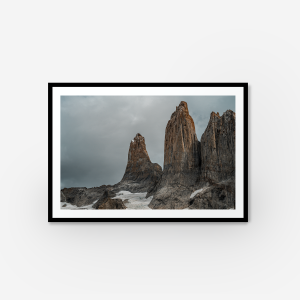
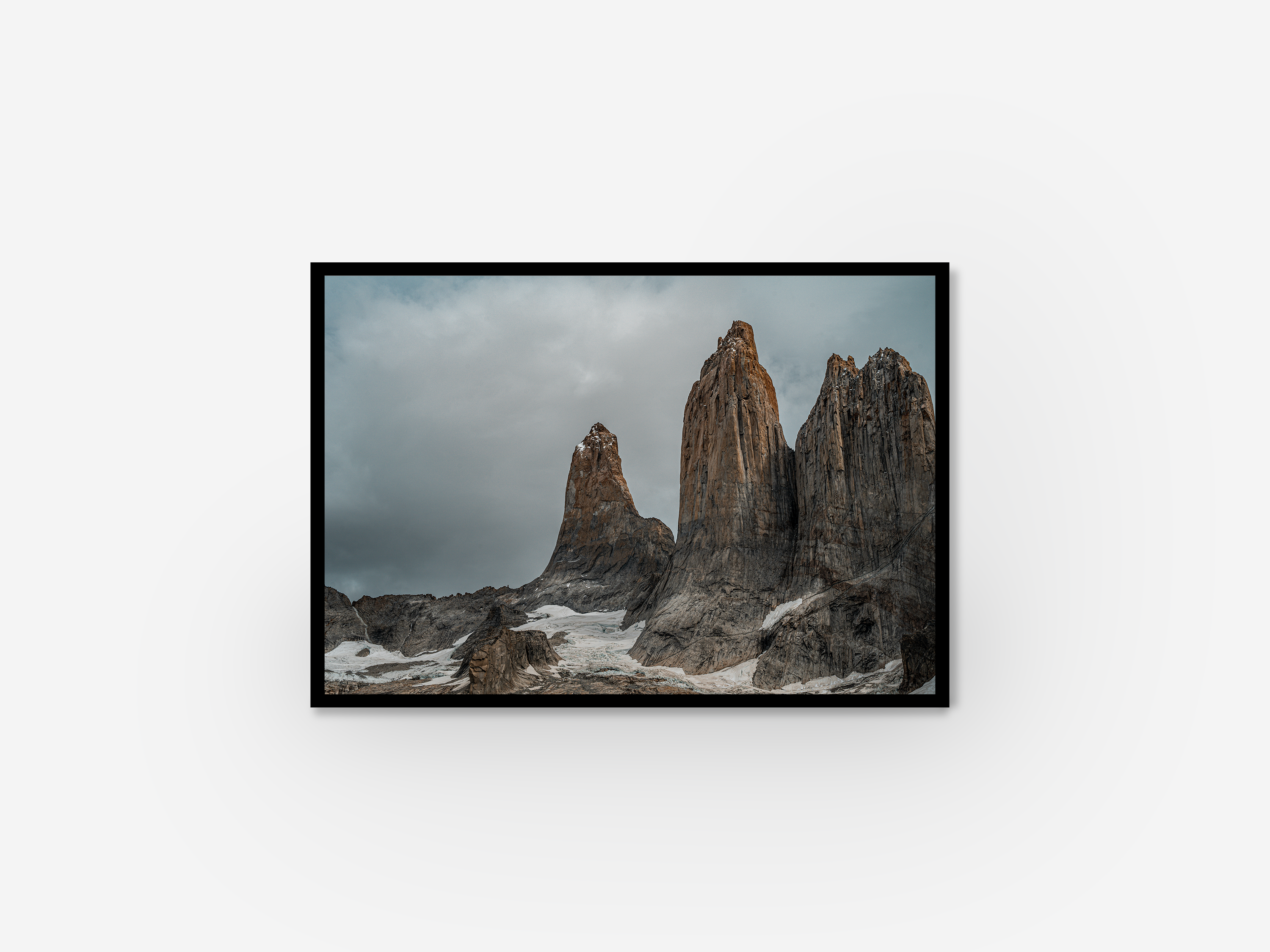
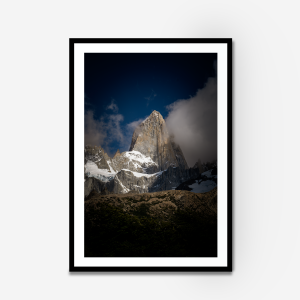
This is the quintessential Patagonia hike. The trail climbs steeply up the Ascencio Valley, levels out through a beech forest near Refugio Chileno, and finishes with a boulder scramble up glacial moraine. At the top, you are rewarded with the iconic granite towers rising over a glacial lake.
This trail forms the iconic eastern leg of both the W-Trek and the O-Trek. Doing it as a day hike means you get the crown jewel view without hauling a 20kg backpack over John Gardner Pass

 Select options
This product has multiple variants. The options may be chosen on the product page
Select options
This product has multiple variants. The options may be chosen on the product page
 Select options
This product has multiple variants. The options may be chosen on the product page
Select options
This product has multiple variants. The options may be chosen on the product page
 Select options
This product has multiple variants. The options may be chosen on the product page
Select options
This product has multiple variants. The options may be chosen on the product page
- Select options This product has multiple variants. The options may be chosen on the product page
- Select options This product has multiple variants. The options may be chosen on the product page
- Select options This product has multiple variants. The options may be chosen on the product page

Day 1: Laguna Amarga & Las Torres
My adventure started strong. I caught the 6:45 AM bus to Laguna Amarga, paid for a shuttle transfer straight to the trailhead at Hotel Las Torres, and powered up the steep switchbacks of the Ascencio Valley. The final boulder scramble up the moraine was a challenging but not a big problem with hiking poles, and the view at the top was definitely worth it.
The worst part of the descent came when reaching the hotel, when I realised that my bus ticket was only one way and the queue to purchase a return one was long and the queue to get onto the bus was even longer. Unwilling to pay money to wait hours and potentially miss the bus, I walked the extra 7 kilometres along the dusty gravel road, taking more photos along the way.
Exhausted from the 18 km hike and 7 km walk to the bus stop, I wish I had done my research earlier so I could’ve booked accommodation to stay in the park, but my backpacking trip was last minute, and the cost of the accommodation seemed steep for a backpacker budget, so instead I had an exciting 2-hour bus ride to look forward to.
2. Pudeto Stop: Salto Grande & Mirador Los Cuernos
-
Bus Stop & Trailhead Access: Step directly off the bus at the Pudeto shelter.
-
Distance / Time: 6 km round-trip | 2-3 hours
-
Difficulty: Easy to Moderate
This is one of the easiest, most rewarding self-guided hikes straight from a bus drop-off. The path leads immediately to Salto Grande, a roaring, electric-turquoise waterfall feeding Lake Nordenskjöld. Continuing along the gentle, flat trail brings you to Mirador Los Cuernos, offering dramatic front-row views of the horn-shaped Cuernos del Paine peaks.
Pudeto is the central node for the W-Trek catamaran connection. While multi-day trekkers use it to access Paine Grande, day hikers can explore lower-altitude lookouts when high winds shut down boat crossings
 Select options
This product has multiple variants. The options may be chosen on the product page
Select options
This product has multiple variants. The options may be chosen on the product page

 Select options
This product has multiple variants. The options may be chosen on the product page
Select options
This product has multiple variants. The options may be chosen on the product page

 Select options
This product has multiple variants. The options may be chosen on the product page
Select options
This product has multiple variants. The options may be chosen on the product page
- Select options
This product has multiple variants. The options may be chosen on the product page
- Select options This product has multiple variants. The options may be chosen on the product page
- Select options This product has multiple variants. The options may be chosen on the product page
- Select options This product has multiple variants. The options may be chosen on the product page
- Select options This product has multiple variants. The options may be chosen on the product page
Day 2: Blown Away at Salto Grande & Missing the French Valley
Day two was supposed to be my crown jewel: taking the Lake Pehoé catamaran to Paine Grande and trekking into the famous French Valley. But Patagonia had other ideas. When my bus arrived at Pudeto, ferocious 60+ mph winds were whipping across the water. I explored the lower trails around Salto Grande and the surrounding lowlands. However, after taking a 2 hour bus for the second day in a row a 2-3 hour hike wasn’t worth it. It was nice to have done a flat walk and look at the amazingly turquoise water sat against the dark rock but the wind made it terrifying. I’ve never experienced such strong winds before, and had to learn forward just to stand upright. Some photos I took turned out blurry because I didn’t realise how much my hands were shaking. After hours of being blasted by gravel and city spray I huddled near the bus stop what felt like eternity waiting for the bus. Although I was in awe from the beauty of the sights I saw today and yesterday, I was gutted to have missed out on the French Valley.
3. Administration Stop: Mirador Cóndor
-
Bus Stop & Trailhead Access: Get off at the CONAF Administration / Visitor Center stop.
-
Distance / Time: 5 km round-trip | 2 hours
-
Difficulty: Moderate (Short, steep climb)
Starting right behind the park ranger headquarters, this short trail climbs steeply up a grassy ridge to a dramatic rock outcrop. At the summit, you get sweeping 360-degree panoramas over Lake Pehoé, and the entire Paine Massif. It’s also one of the best spots in the park to spot Andean Condors.
While the O-Trek circles the remote back face of the Massif, low-elevation lookouts like Mirador Cóndor give day hikers a sweeping perspective of the entire range without needing an 8-day expedition permit.
Day 3 Story (Glacier Views & The Ultimate Tour Regret)
Exhausted from two days of 5:00 AM wake-ups, I pushed through day three to head toward the western side of the park for Mirador Ferrier and Grey Glacier. The weather was miserable. Thick gray fog and heavy drizzle blanketed Lake Grey. When I finally dragged myself to the lookout point, Glacier Grey was barely a faint shadow through the rain. While standing there in the rain, I ran into a group of friends from my hostel in Puerto Natales. They hadn’t been waking up at 5:00 AM every day. Instead, they had booked a one-day organised highlight tour in a heated minibus that picked them up at 8:00 AM, drove them directly to all the major lake lookouts, Salto Grande, and the glacier beaches in comfort. Standing there soaked to the core, the realisation hurt: I had spent two entire days and 8+ hours on public buses visiting the exact same spots they saw in a single day. Worse still, because of weather cancellations and rigid public bus schedules, I had completely missed the French Valley.
If I had to do these three days again, I would do the Mirador Base Las Torre hike on my own, do a tour to the other stops, and, if possible, book a stay to be able to do things at Lake Pehoé without rushing and having to worry about time.
Alternative Day Trip Options From the Bus Network
If you have extra days or want to swap out an itinerary based on weather, these independent routes are easily accessible via public transport:
- Pudeto Stop & Catamaran: Paine Grande to Glacier Grey Lookout
Disembark at Pudeto, take the 25-minute Lake Pehoé catamaran across to Paine Grande, and hike 11 km round-trip toward the Grey Glacier lookout.
You must time your trek to catch the last return catamaran to Pudeto to meet your bus. - Hotel Lago Grey Stop: Lake Grey Beach & Icebergs
- Take the bus all the way to the Hotel Lago Grey stop. Walk through the lenga forest onto the massive black-sand beach of Lago Grey to see giant blue icebergs that have calved off the glacier washed ashore.
- Administration Stop: Mirador Toro & Laguna Verde
- Starting from the CONAF Visitor Center, this rolling lowland hike crosses the pampas toward Sierra del Toro. It’s a peaceful, low-traffic trail where you’re almost guaranteed to spot herds of wild guanacos.
Before You Go Essentials
To ensure your self-guided day trips run smoothly, make sure you:
-
Book Park Passes: Purchase your official CONAF park entrance pass online before heading to the bus terminal. There is no cell service at park gates.
-
Bus Tickets: Pre-book round-trip tickets (e.g., Bus Sur) at least 2-3 days in advance during high season (Dec-Feb).
-
Cash (CLP): Carry Chilean Pesos for trailhead shuttles (Roughly 4,500 CLP in 2026) and the Lake Pehoé catamaran.
- Catamaran: Book your catamaran tickets in advance to avoid disappointment.

Commemorating the Journey: Keepsakes & Souvenirs
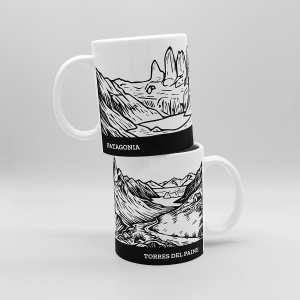
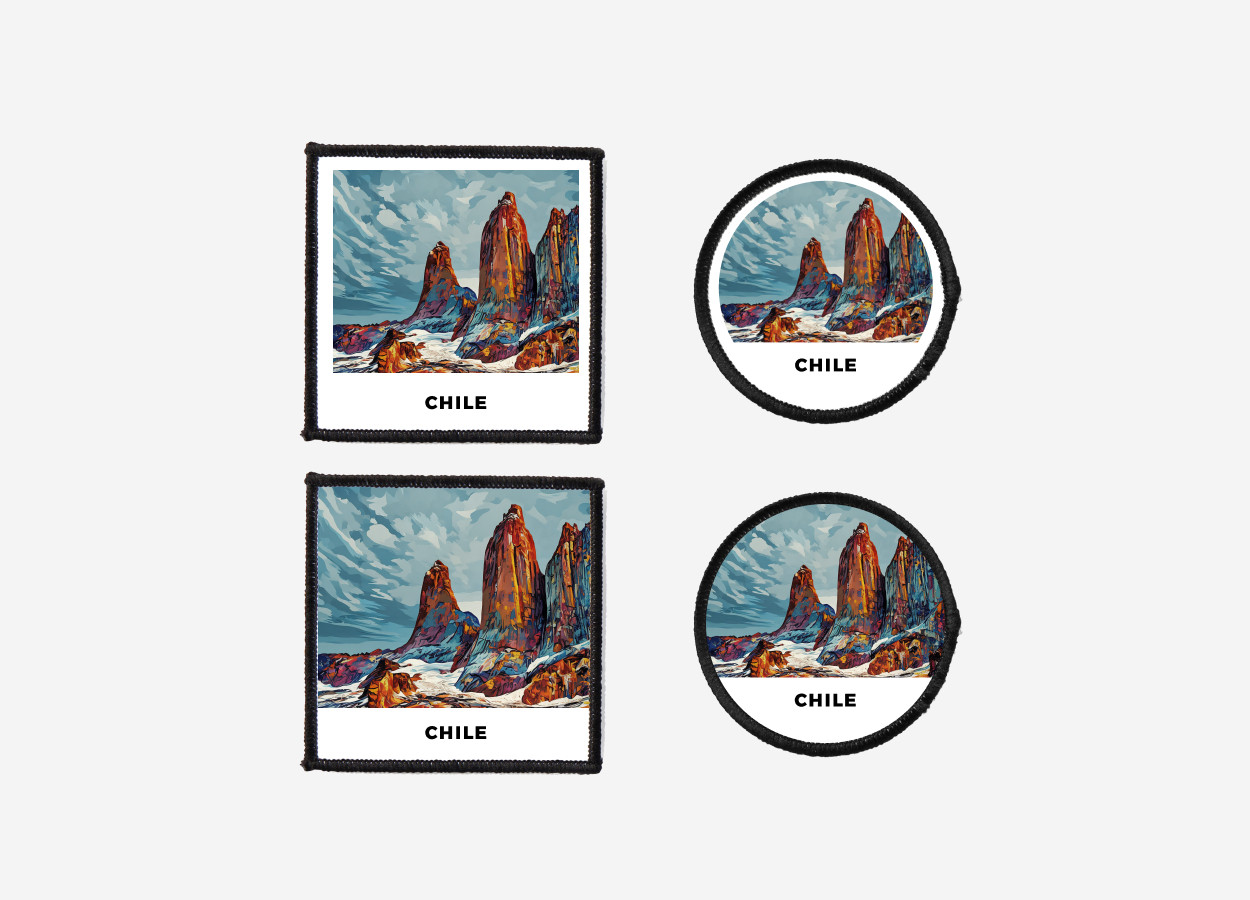
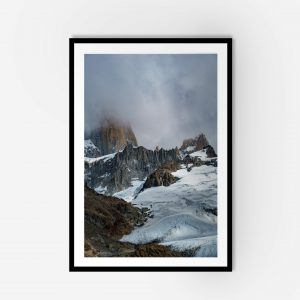
Nothing celebrates your Patagonian memories quite like a unique keepsake. Frame a viewpoint of the trail, or sip your morning coffee from an ceramic mug featuring the iconic granite.
Alternatively, for a truly personal touch, frame a custom map tracing your specific day hike routes, or wear the journey on a minimalist line art map hoodie. If you tackled the iconic multi-day trek, a custom W-Trail line art map print turns your exact trail stats into a sleek piece of wall art.
Honest Reflection: Was It Worth It?
Taking daily public buses from Puerto Natales into Torres del Paine is 100% worth it if you can’t get campsite bookings, as I’d be gutted to have missed all of these amazing sights, but the bus rides do get boring after you’ve been on the same road multiple times, so take it as a time to rest, read a book or listen to some music.
It is a budget friendly way to see Torres del Paine, but it does get tiring. Forcing three days back-to-back days without a rest day will wear you down, especially if you’ve been backpacking for months previous to this without rest. The early 5:00 AM wake-ups and 4+ daily bus hours add up quickly.
Day hiking via bus won’t give you the full wilderness immersion of finishing the O-Trek circuit or sleeping on the W-Trek trail, but it’s the best option for flexible, budget-friendly access to Patagonia’s top highlights
My Final Recommendation: If you haven’t secured accommodation, or want to save money stay in Puerto Natales and do a big hike like the Mirador Base followed by a tour to see other aspects of the National Park and then if you have the energy go to the French Valley.
Take the Leap
Subscribe & Save 10%
Get the latest blogs, products, and 10% off when you sign up for our newsletter.
FAQs
How do public buses work from Puerto Natales to Torres del Paine?
Buses depart daily from the Terminal Rodoviario in Puerto Natales between 6:45 AM and 7:15 AM. Popular companies like Bus-Sur cover the 2-to-2.5-hour route into the park, stopping sequentially at major entrances including Laguna Amarga (for Base Las Torres), Pudeto (for Salto Grande/Cuernos & the Lake Pehoé Catamaran), and Administration (for Mirador Cóndor). Return buses pick up from these same locations in the late afternoon/evening.
Can you do day trips to Torres del Paine independently without a guide?
Yes. You do not need a tour guide to do day hikes in Torres del Paine. As long as you purchase your park entrance ticket online beforehand and book your round-trip bus tickets in advance, you can easily disembark at public bus stops and follow well-marked trailheads on your own.
Do I need to buy my park entrance pass in advance?
Yes. Park entrance passes must be purchased online prior to arriving at the park gates (via Chile’s official pasesparques.cl portal). There is little to no cellular service at the park gates, and park rangers do not sell physical tickets or accept cash on-site. Keep a digital copy saved to your phone or a printed PDF handy.
How much cash do I need to bring into the park?
While you should pre-pay for your park entry and main bus rides online, you must carry Chilean Pesos (CLP) in cash for local park transfers. This includes:
-
Laguna Amarga Shuttle Van: ~4,500 CLP each way to get to the Hotel Las Torres Welcome Center.
-
Lake Pehoé Catamaran: ~25,000–30,000 CLP each way if you cross to Paine Grande.
-
Refugio Snacks/Drinks: Extras like a warm post-hike coffee or craft beer at trail shelters.
Is it better to take public buses or book a guided day tour?
t depends on your travel goals and physical stamina:
-
Public Buses: Best for budget travelers and active hikers who want maximum trail time, complete independence, and the challenge of full-day treks like Base Las Torres.
-
Guided Minibus Tours: Best for travelers who want to avoid 5:00 AM wake-ups, wish to bypass rigid public transport schedules, or prefer a low-impact highlight tour covering major lookouts and lake beaches comfortably in a single day.
Explore Kayla’s Photos
-
 Select options This product has multiple variants. The options may be chosen on the product page
 -
 Select options This product has multiple variants. The options may be chosen on the product page
 -
 Select options This product has multiple variants. The options may be chosen on the product page
 -
 Select options This product has multiple variants. The options may be chosen on the product page
 -
 Select options This product has multiple variants. The options may be chosen on the product page
 -
 Select options This product has multiple variants. The options may be chosen on the product page
 -
 Select options This product has multiple variants. The options may be chosen on the product page
 -
Select options This product has multiple variants. The options may be chosen on the product page
-
 Select options This product has multiple variants. The options may be chosen on the product page
 -
 Select options This product has multiple variants. The options may be chosen on the product page
 -
 Select options This product has multiple variants. The options may be chosen on the product page
 -
 Select options This product has multiple variants. The options may be chosen on the product page