Alaska is a destination that captures the imagination with its rugged coastlines, towering glaciers, and abundant wildlife. However, a cruise to the 49th state isn’t just about the scenic views from your balcony; it requires careful planning and a realistic understanding of the logistical hurdles that come with exploring such a wild landscape.
From the “Rainy City” of Ketchikan to the calving glaciers of College Fjords, here is what you need to know to make the most of your journey.
Port Highlights and Insider Tips

Ketchikan: The Salmon Capital
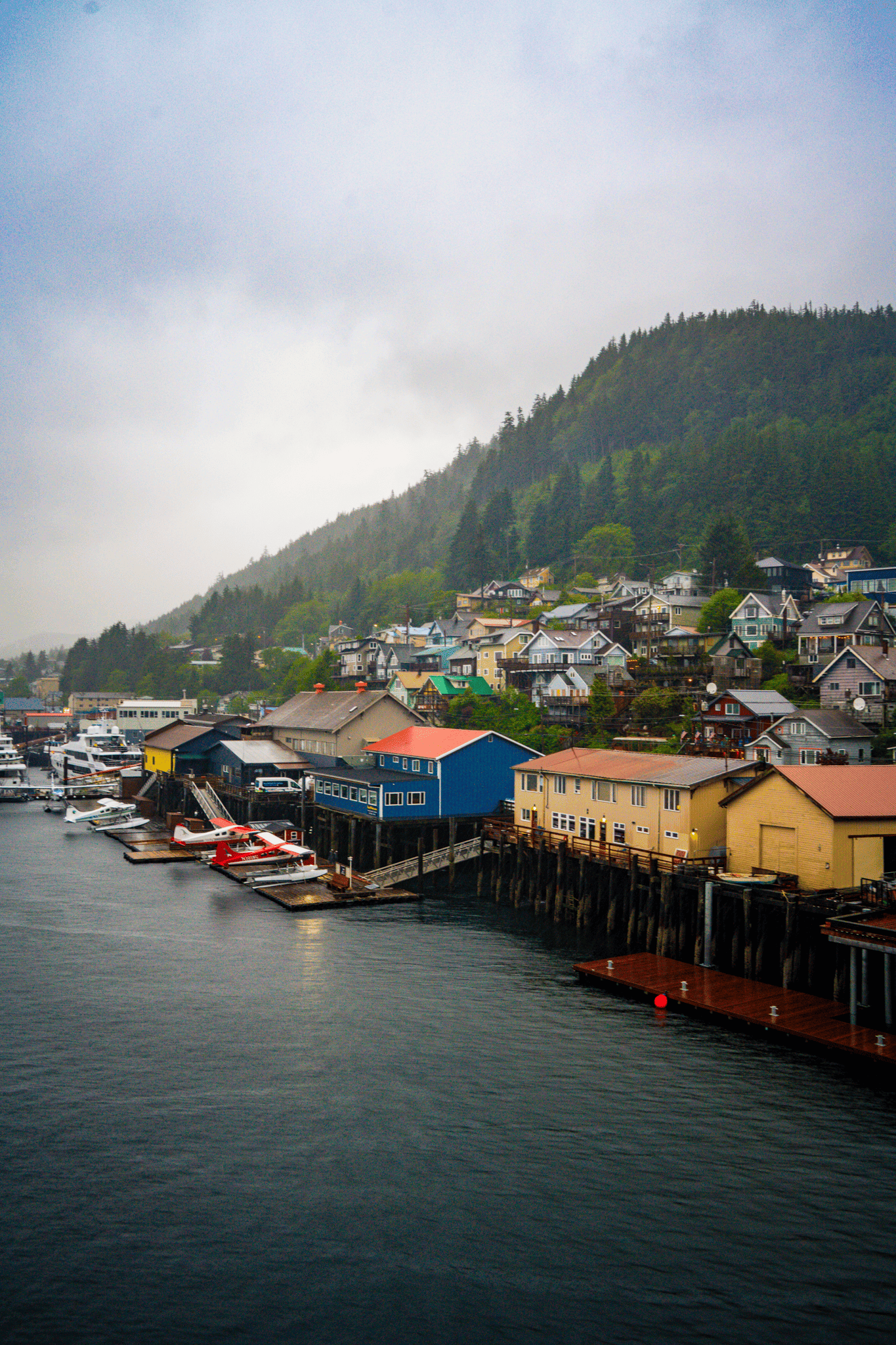
If you’re stopping in Ketchikan or any port nearby, prepare for rain. Ketchikan is famously known as a rainy city, so high-quality waterproof gear is essential. When choosing your activities, keep that in mind, as your float plane tour may not run or at least may not look as dreamy as in the photographs.
If your timing is right, you can witness the incredible sight of salmon swimming upstream to spawn. It’s a unique Alaskan experience that can be witnessed from mid-July through September.
 Select options
This product has multiple variants. The options may be chosen on the product page
Select options
This product has multiple variants. The options may be chosen on the product page

 Select options
This product has multiple variants. The options may be chosen on the product page
Select options
This product has multiple variants. The options may be chosen on the product page

 Select options
This product has multiple variants. The options may be chosen on the product page
Select options
This product has multiple variants. The options may be chosen on the product page
- Select options This product has multiple variants. The options may be chosen on the product page
- Select options This product has multiple variants. The options may be chosen on the product page
- Select options This product has multiple variants. The options may be chosen on the product page

Juneau: Whales
If you’re stopping in Juneau go on the whale watching tour, as Juneau waters have the most amount of whale concentration in the world. While many travellers book the first excursion available, you often find that afternoon tours have better sightings and more active whale behaviour than morning departures.
Beyond whale watching, be sure to visit Mendenhall Glacier that is easily accessible to prams and wheelchair uses and offers unique views.
-

 Select options This product has multiple variants. The options may be chosen on the product page
 -
 Select options This product has multiple variants. The options may be chosen on the product page
 -
 Select options This product has multiple variants. The options may be chosen on the product page
 -
Sale!
 Select options This product has multiple variants. The options may be chosen on the product page


Skagway: Logistics Matter
Unlike other ports where you can simply step off the gangway, Skagway often requires a tender process, where you are transported to shore by a smaller boat. Because of this, it is more important than elsewhere to book your excursions directly through your cruise company. This guarantees that you are in the priority group for the first tender boats, ensuring you make your tour departure time. Individuals booking independent tours may find it more difficult to get to shore on time. It’s also important to consider this if you have a pram or a wheelchair.
-
 Select options This product has multiple variants. The options may be chosen on the product page
 -
Select options This product has multiple variants. The options may be chosen on the product page
-
Select options This product has multiple variants. The options may be chosen on the product page
-
Select options This product has multiple variants. The options may be chosen on the product page


Glacier Bay
The weather in Glacier Bay is unpredictable. While May is often cited as the best month for clear views, it is heavily dependent on the conditions of the Pacific.
Also, entry to Glacier Bay is highly restricted; only two cruise ships are permitted to enter the bay at any one time, making this a highly exclusive experience. Therefore, when choosing your cruise, it’s important to decide whether this is something you want to do. If so, I’d recommend going with Princess as they have a pass to Glacier Bay for all their cruises.
However, it’s important to consider that icebergs and harsh weather conditions can still prevent ships from entering the bay entirely, so always have a flexible mindset regarding your itinerary.
Most photographers visit Alaska in May, as this is the best time to capture glaciers and snow-capped mountains, but it does come with its own disadvantages.
The Reality of Cruising
While we all hope for a seamless voyage, Alaska cruising involves significant variables. Technical failures or severe weather can lead to cancelled stops or complete itinerary changes.
-
Port Redirects: Some lines, such as Norwegian Cruise Line, have had instances where stops were cancelled and redirected to ports miles away from the intended destination.
-
The Domino Effect: Your planned tours can be ruined by factors outside your control, such as a previous ship breaking down, weather or leaving a dock late, which prevents your vessel from arriving on schedule. When it comes to booking tours independently, keep note of this and make sure you have flexible cancellation plan.
-
Flexibility is Key: Always have a “Plan B” and ensure your travel insurance covers missed ports or excursion cancellations.
Whether you are watching whales in the afternoon sun or navigating a rainy afternoon in Ketchikan, the key to an Alaskan cruise is embracing the wild, unpredictable nature of the last frontier.
Cruise Tours
Planning a trip to Alaska means you will quickly encounter the term cruisetour a hybrid holiday that pairs a traditional 7-day cruise with a multi-day land tour of your choice. While it offers unparalleled logistical ease, it comes with specific pace and timing trade-offs.
Before you book, here is what you need to know about how these land tours actually operate:
-
Pre-Arranged Logistics: It entirely eliminates the stress of driving and navigating remote highways yourself, as all transport and lodging are handled for you.
-
Slower Transit Days: Travellers should prepare for long days on the bus or train where a significant portion of the day is spent just getting to the next stop (for example, leaving at 10:00 AM and arriving at 4:00 PM just in time to check in).
-
Remote Hotel Locations: Some of the cruise-line-owned hotels are located quite far away from the actual national parks and landmarks, meaning some transit days will conclude with just dinner and resting.
-
Not for Ultra-Action Travellers: If you love highly packed, high-energy holidays where you squeeze the absolute most out of every single hour, this slower, group-paced itinerary may not be the tour for you.
-
Early-Season Hiccups: Because Alaska tourism is highly seasonal, you may experience occasional customer service hiccups from temporary staff if you travel at the very beginning of the summer season.
Take the Leap
Subscribe & Save 10%
Get the latest blogs, products, and 10% off when you sign up for our newsletter.
FAQs
Northbound vs. southbound: start or end in Vancouver?
When booking a one-way Alaska cruise or cruisetour, you have to choose whether to sail Northbound (starting in Vancouver and ending with the land tour in Alaska) or Southbound (starting with the land tour and ending the cruise in Vancouver).
Why Start in Vancouver (Northbound)
Starting in Vancouver gives you a classic “crescendo” vacation. You begin with a relaxing 7-day cruise, giving you plenty of time to unpack once, unwind, and adjust to the time change after a long flight. Because the first two days of a northbound cruise are smooth sea days, you get to settle in and truly relax right away.
-
Better Sail-Away Weather
Departing from Vancouver typically guarantees a much better, warmer leaving party on deck compared to a chilly embarkation in rural Alaska. -
Building to the Grand Finale
This direction builds up toward the best ports and most dramatic cruising days. It starts with less active stops like Ketchikan (which has less going on compared to other ports) and builds toward massive glaciers and the rugged, high-energy land tour in the interior. -
The Food – Downside
Keep an eye on your wallet during the land portion. Because you spend the first week getting used to the “all-you-can-eat” lifestyle on the ship, you might end up spending significantly more on food on land simply because your appetite has adapted to cruise ship portions. -
The Travel – Downside
You will face long travel days and a hectic schedule at the very end of your trip, meaning you will likely fly home from Alaska feeling quite exhausted.
Why End in Vancouver (Southbound)
- Have a relaxing end to your holiday:
Many seasoned travellers prefer this direction because it gets the most physically demanding part of the trip out of the way first. You fly straight into Alaska, tackle the long bus rides, early morning wake-up calls, and active land excursions while your energy is high. Then, you step onto the cruise ship for the final 7 days, using the smooth southward sail to Vancouver as a deeply relaxing way to recharge before heading home. -
Superior flight options
Ending your journey in a major international hub like Vancouver gives you a much better range of international flight options with fewer annoying changeovers compared to flying home out of Anchorage or Fairbanks.
Alternative Option: The Roundtrip
If you can’t decide on a direction, many travelers choose to do a roundtrip cruise out of Vancouver instead of a one-way land tour. The hidden benefit here is weather insurance: if you miss a highly anticipated shore excursion on the way up due to Alaska’s notoriously bad weather, you essentially get a “second shot” to book it and see the sights on your way back down.
Are meals included during the land portion of a cruisetour?
Usually, no. While almost all your food and drinks are included while you are on the cruise ship, meals on land are typically an out-of-pocket expense. You will be eating at hotel restaurants, local diners, and remote lodges.
Some cruise lines offer a pre-purchased “land dining plan,” but it is often cheaper to pay as you go, unless you’re a person who likes to have a starter, main, desert and a drink with every meal.
Is a balcony cabin actually worth the extra money?
Unlike the Caribbean where you mostly look at open ocean, an Alaska cruise features scenic cruising alongside mountains, and glaciers.
Get the balcony if:
- You’re more interested in landscape than wildlife.
- You love privacy, want to drink coffee in your robe while looking at icebergs, or want to quickly step outside the moment you get up.
- You want to spend more of the time in your room and have a window seat. Some main areas can get busy especially if there is entertainment so if you want to be inside it’s best to have a room with a window.
Skip it (and save money) if:
- You don’t mind sharing the public decks with other passenger
- If you have a ship with a front facing promenade decks and have a room close to it.
- If you’re a photographer you most likely will want to be at the front of the ship as you have the best chance to see wildlife there due to the engine.
- The likeliness of a sighting an animal at on your balcony at the back of a ship is small.
- You don’t mind getting cold and standing up for a lot of the scenic cruising days.
How early should you book your tours?
Ideally as soon as possible. However, we often begin to see that tours booked with the cruise company start to sell out about 4-5 months in advance.
Capture Where You’ve Been
-
 Select options This product has multiple variants. The options may be chosen on the product page
 -
 Select options This product has multiple variants. The options may be chosen on the product page
 -
 Select options This product has multiple variants. The options may be chosen on the product page
 -
 Select options This product has multiple variants. The options may be chosen on the product page
 -
 Select options This product has multiple variants. The options may be chosen on the product page
 -
 Select options This product has multiple variants. The options may be chosen on the product page
 -
 Select options This product has multiple variants. The options may be chosen on the product page
 -
 Select options This product has multiple variants. The options may be chosen on the product page
 -
 Select options This product has multiple variants. The options may be chosen on the product page
 -
 Select options This product has multiple variants. The options may be chosen on the product page
 -
Select options This product has multiple variants. The options may be chosen on the product page
-
 Select options This product has multiple variants. The options may be chosen on the product page